

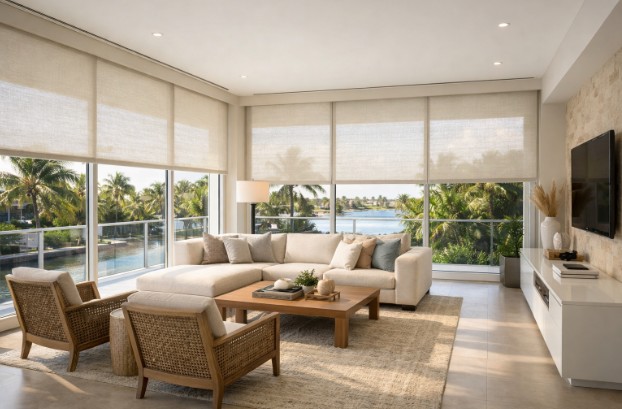
Motorized roller shades for tall windows require determining the motor type, power source, fabric weight, and mount position before measurements begin.
These four variables change, which product can be ordered — confirming them after measurement produces a specification error that requires reordering.
Key Takeaways
- Tall windows — drops exceeding 96 inches — require motor torque confirmation before fabric or mount decisions are made.
- Hardwired motors require in-wall conduit placement before brackets are set, which means power routing must be decided before measurement day.
- Inside-mount motorized roller shades require a minimum frame depth of 3.5 inches — greater than manual roller shades — because the tubular motor adds diameter to the roller mechanism.m
- Blackout fabrics on tall drops carry significantly more roller weight than solar fabrics and may require a coupled shade system rather than a single shade.
Boca Blinds brings motor specification, fabric samples, and a measuring kit to your home — so every tall window decision is confirmed before a single order is placed. Book Your Free Consultation
Why Tall Windows Require a Different Planning Approach
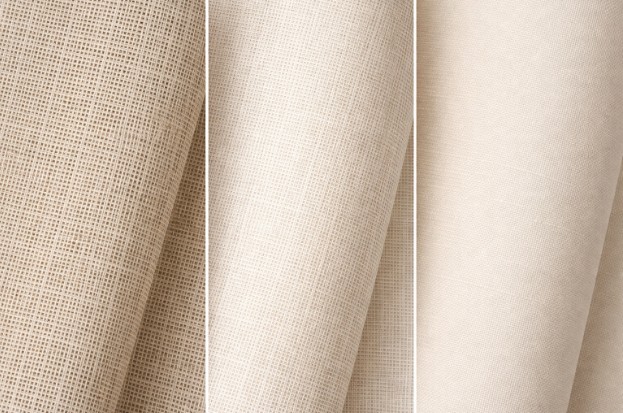
Standard roller shade planning starts with measurement. Motorized roller shades for tall windows must start earlier — at motor specification, power routing, and fabric selection — because each decision changes what can be measured and ordered.
Where Standard Roller Shade Planning Breaks Down on Tall Windows
Standard roller shade planning assumes the motor specification is fixed and measurement is the only variable. On tall windows — drops exceeding 96 inches — fabric mass increases significantly as the shade extends, which changes the motor torque requirement.
A motor specified for a 72-inch drop may bind, overheat, or fail prematurely when carrying a heavier fabric on a 120-inch drop.
Motorized window coverings for tall windows require motor and fabric decisions to be made together, not sequentially.
The Four Variables That Must Be Decided Before You Measure
Four decisions determine whether a tall motorized roller shade for a window can be accurately specified. Drop height and fabric type together determine motor torque tier.
The power source determines whether the conduit must be placed before the brackets are set. Mount position determines whether the frame depth is sufficient for an inside mount or requires an outside mount.
Confirming all four variables before measurement eliminates the most common tall window ordering errors — wrong motor tier, insufficient frame depth, and incorrect power routing.
| Pre-Measurement Variable | Why It Must Be Decided First |
| Drop height + fabric weight | Determines motor torque tier |
| Power source | Hardwired requires conduit before brackets |
| Mount position | Inside mount needs 3.5 inch minimum depth |
| Single vs. coupled system | Wide, tall windows may exceed single-shade tube limits |
Motor Type and Torque — The First Decision Before You Measure
Motor torque determines whether a motorized roller shade lifts and lowers the full weight of fabric on a tall window without strain or premature failure. Drop height and fabric weight together determine which motor tier — rechargeable, plug-in, or hardwired — is correct for a given window.
Rechargeable Battery Motors — Where They Work and Where They Don’t
Rechargeable tubular motors handle drops of approximately 110–120 inches with lightweight solar- or light-filtering fabrics.
A rechargeable motor on a tall window operates reliably within this range but requires more frequent charging than the same motor on a 72-inch drop, because each cycle moves more fabric mass.
Tall windows in Boca Raton’s two-story great rooms and high-ceiling primary suites frequently exceed the reliable rechargeable threshold when paired with heavier blackout fabrics.
The advantages of motorized window treatments are realized only when the motor is correctly matched to the window’s drop and fabric specifications.
Hardwired Motors — When Tall Window Drops Require More Power
Hardwired motors deliver continuous power and higher torque — the correct specification for drops exceeding 120 inches, blackout fabrics on drops exceeding 96 inches, or shades in locations where battery recharging is impractical.
Hardwired installation requires an electrician to run low-voltage wiring to each shade location before mounting the brackets.
This means the hardwired decision must be made and communicated to an electrician before measurement day — not after. Homes undergoing renovation or new construction in Palm Beach County should specify the locations of hardwired motors in the electrical plan before drywall is closed.
| Motor Type | Max Reliable Drop | Power Source | Best Application |
| Rechargeable battery | 110–120 inches (light fabric) | Built-in lithium battery | Most residential tall windows |
| Plug-in transformer | 110–120 inches | Wall outlet | Windows near accessible outlets |
| Hardwired low-voltage | 120+ inches | In-wall conduit | Large drops, heavy fabric, hard-to-reach windows |
Not sure which motor tier your tall windows need? Boca Blinds evaluates drop height, fabric weight, and power access in your home before a single measurement is taken. Schedule Your Free In-Home Visit
Fabric Weight and Roller Tube Diameter — Why They Matter at Extended Drops
Fabric weight and weave density determine how much mass accumulates on the roller tube as a tall shade extends. Heavier blackout fabrics on tall drops require larger diameter roller tubes and higher-torque motors than solar or light-filtering fabrics at the same window height.
How Fabric Type Affects Motor Specification on Tall Drops
Solar shade fabrics — open-weave, lightweight — are the most forgiving choice on tall windows because low fabric mass minimizes motor strain and roller tube deflection across the full drop.
Blackout fabrics are significantly heavier per square foot, so a blackout roller shade with a 120-inch drop carries substantially more roller weight than a solar shade at identical dimensions.
The best window fabrics for Florida’s climate combine UV-stable yarns with a weave density appropriate to the window’s drop — a specification that varies between a 72-inch standard window and a 120-inch tall window, even when the room function is identical.
| Fabric Type | Relative Weight | Max Recommended Drop (Single Shade) | Motor Recommendation |
| Solar / Screen (open weave) | Light | Up to 144 inches | Rechargeable |
| Light-Filtering | Medium | Up to 120 inches | Rechargeable or plug-in |
| Blackout | Heavy | Up to 96–108 inches | Hardwired recommended |
When a Coupled Shade System Replaces a Single Shade
A coupled shade system uses two independently motorized shades on a single headrail to cover one window opening.
Coupled systems are required when a single shade’s roller tube would carry excessive fabric mass — typically on windows exceeding 96 inches in width at drops above 96 inches.
A single shade spanning 120 inches in width and 120 inches in drop places enough mass on one roller tube to cause tube deflection — a bow in the tube that produces uneven fabric tracking and premature motor wear.
Coupled systems distribute roller weight across two tubes, eliminate deflection, and allow each motor to operate within its rated load range.
Inside vs. Outside Mount on Tall Windows
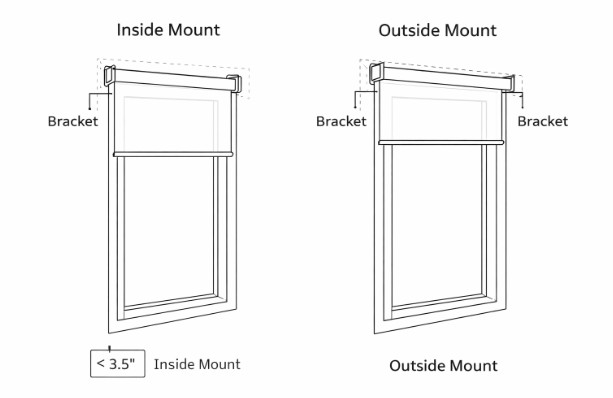
Inside mount produces the cleanest visual result on tall windows, but requires a minimum frame depth of 3.5 inches to accommodate the motorized roller mechanism.
Outside mount eliminates the depth requirement and allows the shade to extend beyond the frame on all sides — the correct choice when frame depth is insufficient or when full light gap coverage is the priority.
| Specification | Inside Mount | Outside Mount |
| Minimum frame depth required | 3.5 inches at shallowest point | None — brackets mount on the wall or ceiling |
| Motor housing visibility | Concealed within the frame recess | Concealed above the window with fascia or cassette |
| Light gap coverage | Limited to frame opening | Extends 2–3 inches beyond the frame on each side |
| Hardware obstruction risk | High — casement handles and cranks reduce usable depth | None |
| Visual result | Clean, built-in appearance | Shade drops from the ceiling line, elongating the window visually |
| Measurement complexity | Confirm depth at all four corners and the center sill | Confirm plumb and level at bracket placement |
| Installation precision requirement | Frame depth and squareness | Bracket alignment — 1 degree error causes tracking deviation at full drop |
| Best application | Deep-frame windows without hardware obstructions | Floor-to-ceiling glass, shallow frames, light-gap-sensitive rooms |
| Common in Boca Raton | Standard double-hung and fixed windows | Two-story great rooms, primary suites with floor-to-ceiling glass |
For outside-mount installations on tall windows, professional installation is the correct choice — bracket misalignment at the top of a 120-inch drop produces visible fabric tracking deviation that cannot be corrected without remounting.
Pre-Measurement Checklist — Six Decisions to Confirm Before You Measure
Six decisions must be confirmed before measuring motorized roller shades for tall windows. Each decision affects what can be ordered — confirming them after measurement produces specification errors that require reordering and, in some cases, additional electrical or wall work.
Steps 1–3 — Technical Decisions
Step 1 — Confirm rough drop height and identify the motor torque tier. Measure the window’s approximate drop to determine whether the installation falls in the rechargeable (under 110 inches, light fabric), plug-in, or hardwired motor tier. This single number gates every subsequent decision.
Step 2 — Decide on power source and confirm outlet or conduit location. Battery and plug-in motors require no pre-installation electrical work. Hardwired motors require an electrician to place conduit before mounting brackets are set — confirm this with an electrician before the window treatment order is placed, not after.
Step 3 — Measure frame depth at the shallowest point. Measure depth at every corner of the frame and at the center sill. A single obstruction — a window crank, a tilt handle, or a shallow corner recess — can disqualify an inside mount on an otherwise adequate frame.
Steps 4–6 — System and Configuration Decisions
Step 4 — Select fabric type before finalizing motor specification. Blackout fabric on a tall drop requires a higher-torque motor than solar fabric at the same dimensions. Fabric selection and motor specification must be confirmed together — choosing fabric after ordering the motor risks a torque mismatch.
Automated window treatments perform consistently only when motor, fabric, and drop are specified as a matched system.
Step 5 — Confirm smart home integration requirements. Hunter Douglas PowerView, Lutron Caseta, and Somfy TaHoma use different communication protocols. Motors are not interchangeable across ecosystems after installation — confirm which system the home uses or plans to use before ordering any motor.
Step 6 — Decide between a single shade and a coupled system. Windows exceeding 96 inches in width at drops above 96 inches should be evaluated for a coupled system. A single shade spanning these dimensions places excessive mass on one roller tube, causing tube deflection and fabric tracking errors over the life of the installation.
Frequently Asked Questions
What is the maximum drop height for a motorized roller shade?
Rechargeable motorized roller shades reliably handle drops of 110–120 inches with lightweight fabrics. Drops beyond 120 inches or heavy blackout fabrics require hardwired high-torque motors. Maximum reliable drop decreases as fabric weight increases — a blackout shade reaches its motor limit at a shorter drop than a solar shade.
Do motorized roller shades work on floor-to-ceiling windows?
Yes. Floor-to-ceiling windows are among the most frequently specified motorized roller shade applications in Boca Raton homes. Ceiling-mount outside installation is the preferred method — the shade drops from the ceiling line, eliminates frame edge light gaps, and conceals the motor housing above the window opening.
Can I use a rechargeable motor on a tall window?
Rechargeable motors work reliably on drops up to approximately 110–120 inches with solar or light-filtering fabrics. Heavier blackout fabrics or drops exceeding 120 inches reduce battery efficiency and motor lifespan. Hardwired motors are the more reliable long-term specification for tall windows with heavy fabric.
What minimum frame depth is required for inside-mount motorized roller shades?
Motorized roller shades require a minimum inside-mount frame depth of 3.5 inches. Manual roller shades require less depth because they lack the tubular motor. Frame depth must be confirmed at the shallowest point of the recess, including at window hardware locations, before ordering an inside mount.
How do I know if a tall window needs a coupled shade system?
Windows exceeding 96 inches in width at drops above 96 inches should be evaluated for a coupled system. A single shade spanning these dimensions places excessive fabric mass on one roller tube, causing tube deflection and uneven fabric tracking. A coupled system distributes the roller weight across two motors on a single headrail.
Do hardwired motorized roller shades require an electrician?
Yes. Hardwired motorized roller shades require an electrician to run low-voltage wiring to each shade location before mounting brackets are set. The electrical work must be completed before measurement day — hardwired motor locations cannot be moved once the conduit is placed and the walls are closed.
Should motorized roller shades for tall windows in Boca Raton be hardwired?
Hardwired installation is strongly recommended for drops exceeding 120 inches, blackout fabrics on drops above 96 inches, and windows in hard-to-reach locations where battery recharging is impractical. South Florida homes with two-story great rooms and floor-to-ceiling glass in the primary suite are the most common Boca Raton applications where a hardwired specification is the correct long-term choice.
Boca Blinds handles motor specifications, pre-measurement planning, and professional installation of motorized roller shades in Boca Raton, Delray Beach, Boynton Beach, and Parkland. Get Your Free Consultation Today